Category: SEO

  • Why You Should Consider Redesigning your Website

    Why You Should Consider Redesigning your Website

    To get the most out of your website, it should be redesigned often. If you think that your website is up-to-date and your website’s design looks great, it probably is. However, a website should be improved and looked after regularly to ensure that your company’s presence is effective and successful at driving what is most important to your business.

    1) Search Engine Optimization (SEO)

    A website must be SEO friendly, which means that website contains rich content, relevant text, and HTML tags that are relevant to what users want, especially users that you are looking for. Sometimes a website’s structure is non-compatible with search engine algorithms, which means the website’s pages are not indexed and the website fails to appear in search results.

    This is also a good time to make sure your website is mobile responsive. As you redesign the website, ensure that it is easy to access the website across multiple devices and browsers. It should easily read on-screen sizes of any device that a website visitor might be browsing with.

    2) Technology Changes

    Website technology changes regularly, and your website should follow the same trend. It is important to stay up-to-date with recent technology to ensure visitors can view website content properly and access the website across multiple devices and browsers. The software surrounding your website updates more often than one might think. WordPress updates, internet browser updates, search engine algorithm updates and other changes can all affect how a website performs with an effective user experience.

    3) Rebranding your website

    When a website is redesigned for a company it should follow the company branding and messaging. The redesign allows rebranding the website to better represent the brand’s voice. In addition, the newly designed website will stand out in website visitors’ minds when they are looking for products and services.

    4) Make your website more functional

    Depending on the features and functions of the website, it may need to be redesigned to make it more user-friendly and accessible. For instance, you might want to add social media integration or e-commerce features. Adding these website functionalities can make for a more engaging experience when a visitor lands on your website. This will increase leads and, in return, increase revenue.

    5) Optimize your website for mobile users

    It is important to ensure website availability and access is across multiple web browsers and devices. Today more website visitors are browsing on mobile phones and companies need to adapt to the changes in website design.

    People visit your website to learn about your products and services, so it is important to keep your site up-to-date and provide website visitors with valuable website content.

    If it’s time for your website to undergo a redesign, DigitalParc can help you at every step of the way to optimize and design content as well as market your site and business to ensure website success. We have been selected as one of the Top Minnesota Web Design Companies by DesignRush. Contact us today at hello@digitalparc.com or at 612-845-5590.

  • Understanding Google’s Latest Algorithm Updates

    Understanding Google’s Latest Algorithm Updates

    Google has been busy.

    As you likely already know, Google is always shifting things around internally given the company’s large scale and wide reach across the web, business and society as a whole. Recently, though, Google has been up to a lot of updates that have affected many sectors of the Google landscape across many industries. 

    Google Helpful Content Update

    The flurry of Google Algorithm Updates began in late August when it was announced Google would be overhauling how it ranks sites and webpages based on their content. Over time, as Google’s AI crawling bots have gotten smarter and better and interpreting what humans react to well, rather than a hard and fast set of factors, Google’s guidelines for content to rank well have also changed. 

    The Helpful Content Update, rolled out from August 25 to September 9, was a wholesale shift in Google’s ranking of pages with regards to their content. Now, pages that were previously solely optimized towards Google’s bots and not necessarily content that is helpful to users would be looked over in favor of sites that present well structured content that is user-friendly and relevant to the purpose of the site. While this was frowned upon in the industry before, this is a blow to sites that were “optimized” via keyword stuffing into pages and hitting word-count benchmarks without much thought to whether the content would make sense or be relevant to someone trying to get service on your website.

    Google Product Reviews Update

    While some have described this update as a core update, it isn’t that widespread. The Google Product Reviews Update for September 2022 began on September 20 and is solely targeting reviews for products purchased that get highlighted on Google search. 

    As you may know, it can be pretty easy to get fake reviews. It’s been commonplace to see nonsense or even fake reviews on Google for a long time to falsely represent a product or service. It’s important to have unique, authentic and helpful reviews for your business’s products online. This update is cracking down on those bad quality or spammy reviews to promote insightful reviews further instead. It primarily is rewarding those better quality reviews rather than those of worse quality. Therefore, products with more good quality reviews will be featured more prominently on Google for various related searches. 

    Google Core Algorithm Update

    This update was the most significant in recent memory. Google’s Core Algorithm Update began rolling out on September 12. While not much is certainly known about this update, as Google likes to remain quiet on topics like this, we know it rolled out over a period of roughly two weeks. Also, Google will announce updates it deems large enough to be noticeable to a large volume of stakeholders, i.e. businesses, users and SEOs online everywhere. 

    The effect of this update can be seen in businesses all over the web — regardless of industry — with ranking fluctuations and reshuffling taking place as Google begins to crawl and read these sites with a slightly altered perspective. These fluctuations can even hit the most optimized site, keeping SEOs (including us at DigitalParc) on their toes on how to return these sites to the rankings they had before the updates. 

    Early signs point to this core update not being as volatile as those earlier in 2022, but still extremely significant for site optimization going forward to the end of 2022 and the beginning of 2023.

    Google Local Search Ranking Update… Bug?

    Early in September, Google had indicated there was a potential update into the Local Search Rankings. This turned out to be something worse than an update, but even a bug that tanked some sites’ local rankings that month. The good news is that Google began rectifying the issue to the bug near the end of September to fix the local rankings for these sites that were wrongly affected.

    The local rankings matter for many businesses, especially small ones that provide local services. What’s more, users click on results in the local rankings and local pack at a much higher rate than organic ranking positions and even advertising positions. Users click on the local pack 44% of the time, more often than the organic and paid positions. These local results are invaluable for some businesses and having Google rectify this bug is music to many sites’ ears.

    As you can see, Google is always tinkering with its algorithm, and it takes a lot to stay caught up. Contact DigitalParc today if your website is looking for a new strategic SEO direction.

  • The Importance of Content to Your SEO Strategy

    As technology becomes more advanced, SEO strategy becomes more sophisticated and complex. Fresh, original, quality content is a key factor to modern SEO success. Content provides value to your visitors and attracts search engines, showing both that you are a knowledgeable and credible source of information, which helps you move up the search rankings.

    Quality is Key

    Today, content for SEO has to go beyond just practices like on-page keyword optimization and link building. Both of these are still vital to SEO success, but they will no longer get you there on their own.

    Google has made incredible technological advances over the years, and is now even better at sifting through what it believes to be “high quality” content. Websites that provide visitors with valuable, original content are looked upon more favorably by Google and will place higher in search rankings. Some factors that Google looks for in high quality websites are longer content, correct grammar, correct spelling, images, videos, proper text formatting, and both inbound and outbound links.

    Types of Content

    Blogs are one of the easiest and most efficient ways to create quality content. Blogs are great for a number of reasons, one of the biggest being that they can satisfy both Google and their target audiences with fresh, valuable content. Blog posts are also incredibly important for SEO because they give business extra opportunities to add keywords to their website in a natural way. The more blog posts they make the more relevant they will become to those specific key words.

    Blogs also act as great content to share on social networks like Facebook and Twitter. Continual posts on social networks help engage followers and can act as inbound links. Finally, blog posts can help businesses get backlinks from other companies or blogs, which help build authority with Google.

    Blog posts are a great platform for textual content and keyword placement, but they aren’t always the most enticing forms of content. Visual content such as images, videos and infographics are more eye catching and engaging to visitors but still provide valuable information. A lot of consumers prefer these because they can quickly read or watch a significant amount of information in a way that’s stimulating and easy to understand, which makes it easier for them to recall later on.

    Visual forms of content are good for businesses because they tend to be more popular than blog posts, making them a great way to increase traffic and gain authority.

    Search engines are getting smarter, and they now require consistent, high quality, new content for a website to achieve SEO success. Blog posts and visual content like images, infographics and videos are easy and effective ways to not only rank better in search engines, but increase traffic, engage visitors, and grow your business.

  • 4 Benefits of Having a Local Strategy for SEO in Minneapolis

    Proper search engine optimization (SEO) helps create relevance and credibility within the Twin Cities and helps improve organic local search rankings. All businesses can benefit from SEO, but small businesses that rely on local customers can see an especially big benefit from Minneapolis SEO. When implemented properly, Minneapolis SEO can be free advertising for your company, help build a credible and professional reputation and much more. Below we discuss the four major benefits of having an SEO strategy in Minneapolis.


    How Can You Localize Your SEO to Target the Minneapolis Market?


    If you are a small business, it is important to localize your marketing efforts when you begin your promotional campaign. For example, if you are selling carpeting in Minneapolis, you will not want a title tag or header to read: “Carpet Sales.” It would be more beneficial to title your website: “Carpet Sales – Minneapolis | Company Name.” If you do not localize your SEO, you will probably not rank high because companies that are much larger and have a significantly higher budget will surely outrank you.


    It is important that you consider the specific demographics of Minneapolis as well. If you are targeting a specific age group, you will want to research which part of the Minneapolis – St. Paul region is the most popular with that age group and try to focus your keywords on that spot. If you are targeting a college-aged audience, for example, you may want to write a blog entry and use the term “Dinkytown” in the title. In addition, you must use keyword analysis to answer this question: what key terms related to your industry do Minneapolis residents commonly search for?


    The Four Benefits of Local SEO:


    Increase Traffic. Using Minneapolis SEO or SEO targeted to another local community helps your business get exposed to members of that community, which are the people that would actually be able to purchase your goods or services. Using local SEO means that you are competing with fewer businesses for high rankings, giving you a better chance of showing up on the first page. These two factors lead to increased traffic to your website and the opportunity to increase your sales.


    Lower Costs. SEO is one the lowest-cost marketing alternatives. The cost of Pay Per Click advertising is high for ads that receive a lot of clicks, and there is no way of regulating the quality of these clicks. Minneapolis SEO, on the other hand, directly targets people in the Twin Cities that are actively searching for your goods or services. You may be targeting a smaller area, but you will be targeting an audience of qualified buyers, which will lead to increased traffic to your website


    Increase Usability. This is more of a side effect than a direct benefit of SEO, but Twin Cities websites that are optimized for SEO also have increased usability. A website that is optimized is designed to be easy and quick for search engines to navigate, this makes it easily navigable for users as well. Modern consumers want a simple and understandable way to access their information, optimizing your website for search engines will help create a enjoyable and memorable experience for customers.


    Connect with Customers. Using SEO is a great way to increase your brand awareness and connect with customers. Appearing at the top of search rankings helps build awareness, trust and credibility for your brand in the eyes of customers. Social media is a popular tool for SEO, and can also help expand your brand presence and connect with current and potential customers.


    Overall, Minneapolis SEO, or local SEO, is great method for attracting qualified customers to your website and creating a brand that customers know, like and trust.

  • Local SEO vs National SEO

    Local SEO vs National SEO

    The importance of Local SEO

    Depending on who you want to reach, there are different SEO strategies that you will want to use to get your website ranking. While the majority people are trying to promote their local businesses, there are times where you may want to use a national SEO strategy. A user could be searching “Philadelphia DVD” for the movie Philadelphia or a place to buy DVDs in Philadelphia.  Your target audience and SEO tactics will vary greatly depending on if you are using national or local SEO strategies.

    Sometimes the choice is simple. Local businesses looking to increase transactions with customers in a small radius of their location will demand local SEO. The fundamentals of local and national SEO are similar, but location tagging is a much bigger focus for a local SEO campaign. The focus of a local SEO strategy is to show up in searches by people in your area, increasing exposure for the business and eventually bringing in traffic to either the website or brick & mortar location. For local SEO there is a lot of focus on getting your business listed in as many places online as possible. Local businesses should also focus on using their city, zip code or any other indicators of their location in title tags and other keyword areas. Luckily for local businesses, it is usually a simpler task to rank locally than it is nationally.

    Why exactly is it harder to rank nationally?

    The answer is competition. You are trying to reach a larger audience with broader keywords. There is a lot of competition for these keywords, but the payoff can be huge. Ranking nationally for specific keywords can lead to greatly increased traffic to a website and profits for a business.

    If you are trying to sell books online, you have to compete with some companies who are already well established and already have aggressive SEO campaigns. With national SEO, it is important to have separate landing pages for different locations that would appear in searches in that area. Google Trends is a program that will allow you to see how key phrases that could be useful to your business are ranking. This program allows you to utilize its massive amount of regional and national data.

    There can be a fine line between local and national SEO strategies, so it makes sense to understand what you want to accomplish with your SEO campaign. Local SEO certainly will find a place in a national SEO campaign but the world of Search Engines is constantly changing. Everything is becoming more personalized and more localized. With these changes, it is vital to integrate local SEO strategies into your online marketing, no matter what size and market your company serves.

  • Why Social Media Has a Powerful Effect on Your SEO Efforts

    In the past, search engine optimization was a pretty straightforward practice. Ranking a piece of content typically came down to stuffing it with keywords and text that would please search engines. In recent years, however, search engines have become much smarter. Now search engines give priority to websites with higher quality content.


    Social media now has a direct impact on your SEO. More and more, search engines are incorporating social context into their search rankings. As well as a wide number of on-site ranking signals, robots are looking to social media for new signals like links, brand mentions, and sharing.


    Linked Content. Social media gives businesses the opportunity to build inbound links to their website. The more links a piece of content has, the more credible it will appear to Google.


    Social media activity can significantly increase awareness of a brand. This increased familiarity can lead to links. Publishing your content to the entirety of the Internet introduces the possibility for it to be linked to users’ own websites or blogs. These links contribute to the overall link profile, thus increasing the SEO impact.


    Search Volume. Social media is a great tool to increase awareness of your brand. Getting your name out there can lead to more people searching for your brand in search engines. Google will see increases in searches for your brand, perceive your brand as more credible and popular, and rank your brand higher in search rankings.


    Local SEO. Local SEO can give small and medium sized businesses a huge boost in rankings. Location-based networks such as Foursquare, Google+, and Yelp play a huge role in helping businesses boost their local SEO and become visible to customers in their area. Local SEO is now greatly influenced by the citations your business receives and by the number and tone of reviews it gets from local customers. Having a presence on networks like Yelp and Google+ will give you credibility in the eyes of both consumers search engines.


    Engagement. Consumers’ engaging with social media posts let search engines know what information is relevant. Likes, shares, and retweets signal new and interesting content. And in theory, the more a post is engaged with, the more relevant it is considered. Bots look at content that is being shared, the frequency of shares and the authority of those doing the engaging. Engagement can also lead to increased traffic to your website which is a key factor in search engine rankings.


    In summary, quality content needs to come first. Consumers will only engage with content that is relevant and valuable to them. If you’re creating fresh and interesting content that appeals to your consumers, the benefits of SEO will follow.

    Click here to learn about DigitalParc’s SEO services

  • 5 Little Known Tools to Enhance Your SEO and Digital Marketing Approach

    Search engine optimization (SEO) is like an arm wrestling match. Even if you let up for a moment, your competition can quickly take the lead. Once your website loses its spot on the search engine results page (SERP), it can be a major challenge to get your placement back. This is especially true if you are in a highly competitive industry. If your competitors are savvy when it comes to digital marketing, they no doubt utilize Google’s suite of Internet marketing tools to monitor and boost their online reputation. With such fierce competition, how can you get ahead? You should be using tools that your competition likely does not know about. You may want to employ the five useful SEO and digital marketing tools below for a competitive advantage.
    (more…)

  • Web Vitals: Demystifying Google’s New Initiative

    Web Vitals: Demystifying Google’s New Initiative

    What’s the Background?

    Google enjoys more than 90 percent of the global search engine market share. All kinds of companies—SMEs and large firms—put in their best efforts to rank high on Google. Over the years, Google has released a wide range of tools online that marketers can use to evaluate their performance. While some people bocame proficient with these tools, numerous others struggle to adapt.

    Google reached a consensus that site owners should have more convenience in ascertaining user experience. To simplify this process, Google came up with a crucial initiative this month, Web Vitals.

    What Are Web Vitals?

    Web Vitals are a group of metrics. Google aims to provide website owners with quality signals that allow them to deliver a high-quality user experience across the Web.

    What Are Core Web Vitals?

    Core Web Vitals are the primary metrics that are generated for all the web pages. They reflect a unique characteristic of the user experience. These include:

    • Largest Contentful Paint (LCP) – It shows the time taken by your website to load.
    • First Input Delay (FID) – It measures your website’s interactivity.
    • Cumulative Layout Shift (CLS) – It calculates your website’s visual stability.

    What Scores Do You Need to Aim for?

    If you are an online marketer, create a positive user experience by comparing your Core Vitals with the following scores.

    Core Web Vital Good Needs Improvement Poor
    LCP (seconds) Less than 2.5 seconds 2.5-4.0 seconds More than 4.0 seconds
    FIP(milliseconds) Less than 100 ms 100-300 ms More than 300 ms
    CLS Less than 0.1 0.1-0.25 More than 0.25


    How to Measure Core Web Vitals

    All major Google tools support Core Web Vitals. You can view it in the Chrome User Experience Report, Search Console’s Web Vitals report, and PageSpeed Insights. Although these tools can offer a quick glimpse of your site’s performance, you need to configure real-time monitoring for detailed insights of Core Web Vitals.

    How to Measure Core Web Vitals in JavaScript

    If you work as a front-end developer, you can use standard web APIs to measure Core Web Vitals in JavaScript. The best method is to utilize this JavaScript library.

    If you don’t want to write code, you can work with the Web Vitals Chrome Extension.

    What Are the Other Web Vitals?

    There are other important metrics other than the Core Vitals. These help with diagnosing a specific issue or present a more comprehensive user experience. For instance, Time to First Byte (TTFB) is used to diagnose LCP issues, such as why you are getting a slow server response time.

    Final Thoughts

    Keep up with Web Vitals to improve your brand’s reputation and user experience. In this way, your customer engagement and customer satisfaction will experience greater heights.

  • How Corporations Should Adapt to COVID-19

    How Corporations Should Adapt to COVID-19

    At the moment, the world is struggling to contain the spread of COVID-19. However, even if somehow, the deadliest virus outbreak in modern times comes under control, then large corporations fear that their operations will be affected for three to six months, at the least.

    How Corporations Should Adapt to COVID-19

    Travel and hospitality sectors have borne the brunt of the ongoing pandemic as circumstances, such as travel restrictions and cancellations, bar and restaurant closures, and event delays, inflict heavy damage and deplete the cash reserves of these businesses. Construction and manufacturing industry is trying their level best to avoid layoffs, but the loss of consumer demand is likely to hit these sectors with a serious setback as time goes by.

    Let’s see how large corporations are adapting to COVID-19.

    Think Like a Customer

    It is not only your business that is going through a change during these testing times. Based on your industry, your target audience is also struggling. Relate to them and identify what pain points have emerged amidst the pandemic. Next, you can modify your sales campaigns and weave your marketing campaign tactically to resolve these newly-formed worries. For instance, are your customers…

    • Stressed out due to travel restrictions?
    • Concerned on how to allocate their cash flows?
    • Dealing with a shortage of important supplies or inventory, triggered by the panic-buying habits of the general public?

    As a business owner, it is imperative that you re-adjust your product and services and offer assistance to your customers. For instance, if you provide a video-conferencing product, then there was never a better time to ramp your customer service game and facilitate your customers, such that their remote workflows become more efficient than ever. Similarly, if you belong to the logistics sector, it is an ideal time for contacting your clients with productive and effective solutions to revive their local and global supply chain.

    Work on Productive Virtual Meetings

    If you were used to organizing off-site meetings for sharing findings and deciding the next strategy, then by now, you are most likely to repeat the same routine on Zoom. Don’t worry; all the big brands are making critical decisions on such software. But are real meetings and online meetings really the same? You need to follow these tips for the best output:

    • Divide the agenda into a list of fast-paced segments.
    • Use mechanisms, such as voting to attract more participation for ideas and comments via the “chatbox”.
    • Create long pauses so your workers can chime in.
    • Include a Q&A session after each segment.
    • To give a greater sense of accomplishment and co-creation, share a virtual whiteboard with your members.
    • Practice short-hand. Write quick notes so people can note the key points.

    Switch Sales Channels

    Once the lockdowns are finally lifted, the world is not going to be the same, at least for some time. Lockdown or no lockdown, one thing that a remains constant is the customer’s impulse to buy stuff, which in turn results in an influx of newer opportunities for you.

    You can serve your demographics by dedicating your efforts with alternative sales channels, particularly if you operated as a brick-and-mortar business in the pre-coronavirus days.

    For instance, if the current pandemic is discouraging your customers from coming out and visit your retail business, then brainstorm on how to widen your e-commerce offerings.

    Engage your potential client-base on LinkedIn and other social media platforms and attempt to initiate a greater number of discussions in the digital space. This will require a more in-depth and comprehensive social media strategy that can employ the latest trends (e.g., live streams) to engage your leads.

    Large companies that sell IT products and offer digital services are already well-positioned for this change, but non-tech businesses have to go through a massive digital transformation. If all of this feels Greek to you, then send us a message. We will ensure that you don’t fall behind your more tech-advanced competitors.

    Provide Greater Flexibility to Employees

    Prior to COVID-19, only 5% of Americans knew what it was like to work from home. Circumstances are not the same anymore—you cannot compare the traditional remote work with the pandemic-induced one. For instance, childcare and school closures have been a major change in these testing times as employees juggle between work-related tasks and personal responsibilities.

    Large companies should enable their managers to strike open conversations with their teams on when and how work can be completed.

    For workers who are working for the first time from their homes and live alone, there will be some negative emotions at play, particularly a depressing sense of social isolation. Daily chit-chats and conversations with colleagues are hard to replicate. Even those seemingly unimportant casual encounters during after-work drinks or by the water cooler will be missed badly. Research reveals supportive, reciprocal interactions with team members have a positive influence on the well being of your employees.

    You can encourage your employees to make time for virtual lunches and coffees. Managers could mark their birthdays and spread positivity by coordinating surprise birthday celebrations in online team meetings. Similarly, they can sponsor Wonder Polls, Water Cooler Trivia, Quiz Breaker, and other group games so employees can have a fun time.

    Recognize Your Best Ally in Crisis: SEO

    It goes without saying that large corporations must search for a route to survive the COVID-19 storm. It is necessary to stay visible and relevant more than ever. With your entire workforce caged, how can you approach this once-in-lifetime predicament?

    Luckily, there is no need to find a new solution—the answer has been right in front of you: SEO. Allocate more resources and budget to your SEO campaigns and ensure that your brand can be easily seen by the existing and new customers. As online traffic increase at a dramatic rate, this is an ideal time to optimize your blog posts, web pages, emails, social media posts, and paid ads.

    Get in touch with us to attract more traffic and implement the best SEO practices during coronavirus.


  • 4 Technical SEO Practices to Turbocharge Your Online Marketing Efforts

    4 Technical SEO Practices to Turbocharge Your Online Marketing Efforts

    Technical search engine optimization (SEO) is now widely considered to be one of the most important steps in the entire SEO process. If there are issues with your technical SEO, odds are that your regular SEO efforts won’t be able to generate the desired results. This is why it is absolutely crucial to understand what technical SEO all is about and how to get it right.

    Let us check out the main aspects of technical SEO, and the standard best practices to follow in order to ensure optimal results for your search engine optimization campaign:

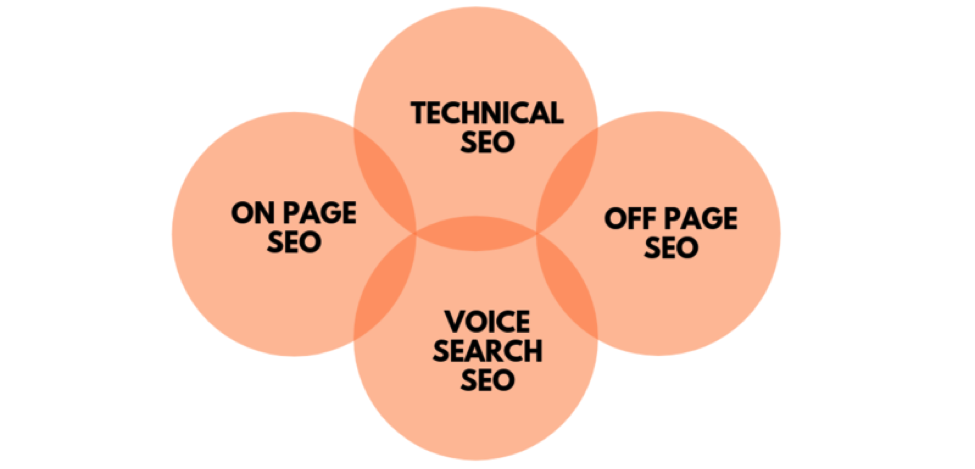
    technical seo
    Technical SEO essentially relates to all of your regular SEO activities except link building and content optimization. It means optimizing your websites for the search engine so that it is able to find your site.

    In short, Google has its own set of requirements and you will have to fulfill them, if you want to make it to the top ten of the search engine list.

    However, it is important to remember that these requirements are constantly changing. Google updates its algorithms on a regular basis, and they are becoming increasingly more complex. This is a continuous process and it is designed to ensure that the users are guided to the information they require as soon as possible.

    Technical SEO practices also have to be optimized along with the new set of guidelines, rules, and regulations. This is the only way to ensure that your SEO results bear fruit and you always end up in the coveted top ten searches of every popular search engine.

    In fact, it is called technical SEO precisely because it does not involve the actual content of the site. It also doesn’t have anything to do with the ongoing marketing and promotion activities of the website.

    On the contrary, the core purpose of technical SEO is to try to optimize the overall infrastructure of a website so that you can reap the full benefits of general SEO efforts. Let us take a quick look at some of the most important technical SEO best practices:

    Specify Your Domain

    Before you set up your e-commerce site or blog, it is imperative that you specify your preferred domain. This way, you will be able to instruct the search engines with regard to whichever variation of the preferred domain you want to use for the lifetime of your website.

    A website is accessible both with www and also without www in front of its domain name. For example, if your domain is teacup.com, it is possible to access it by typing both http://www.teacup.com and also http://teacup.com (that is, without the www).

    While a human user won’t have any issues with it, it is going to be confusing for search engines since they will consider both of them to be two entirely different websites.

    It will divide the SEO activities for your site because of duplicate content problems and indexing issues, thus leading to a loss of page rank.

    It is quite easy to solve this problem. All you have to do is to set your preferred domain and simply inform Google about your choice. This way, it will also always pick your site, when anyone wants information regarding your products and services.

    Here are some ways in which you can boost your technical SEO:

    Optimize Your Robots.txt Files

    Once you have set your preferred domain, it is time to check, see, and optimize your robots.txt file. This is a text file that may be found in the root directory of your site. The main purpose of this file is to give instructions to the search engines as to which pages of the site they may add to their index.

    Optimize the URL Structure

    This is the next item on your technical SEO list. You will have to revise the uniform resource locator (URL) structure of the whole website.

    Best technical SEO practices usually conform to the following:

    • Try and use lowercase characters as much as possible .
    • Use – to separate individual words in your site’s URL.
    • Make URLs both short as well as descriptive.
    • Avoid using any unnecessary character strings or words.
    • Use your desired keywords in the URL itself, but don’t resort to keyword stuffing.

    Example

    If the title of a blog is “20 Technical SEO Best Practices for Newbies”, the URL created by WordPress will look something this: http://www.teacup.com/20-technical-seo-best-practices-for-newbies.

    This might be a good example, but it can be further shortened to http://www.teacup.com/technical-seo. This is not only more targeted, but also much easier to remember.

    Navigation and Structure of the Website

    The structure of a website is also a very important search engine optimization factor for the following reasons:

    • Google takes into account the overall structure of your site whenever it evaluates a particular page.
    • A well-structured website means that visitors will stay on the site longer and this will cut down the bounce rate. In the long run, this will lead to Google indexing your website easier and faster.
    • A well-defined structure will also help webmasters to pin-point to Google, the most important content of your website. This will push individual pages higher up the ranking list.

    Check All Canonical URLs

    All the pages of your site must have their own canonical URLs. This is just a simple way to tell Google exactly which version of a page it should take into account whenever it indexes your website. It is important that you should specify a particular canonical URL for each and every one of your website pages. Doing so will help the search engines to see and retrieve the information and present it in the top ten list.

    Because technical SEO is all about creating a base for your subsequent SEO efforts, once you get it right, you won’t have to deal with the same issue over again. This way, you will be able to concentrate on the more mainstream SEO activities so that you always remain on top of your game.

    If your business is ready to start organizing its technical SEO and work within the industry best practice, contact DigitalParc today! We have been selected as one of the Top Minnesota SEO Agencies by DesignRush.